
Diamond Carat Weight: Does size matter? Bigger isn't always better
When shopping for a diamond, one of the first things people ask is: “How many carats is it?”
It’s the number that gets the most attention, but does a bigger carat weight automatically mean a better diamond? Not necessarily. Let’s break down what carat weight really means, how it affects price and appearance, and how to make sure you’re getting the best balance of size and quality for your budget.
What Is Carat Weight, Really?
A diamond’s carat refers to its weight, not its size. One carat equals 0.20 grams (about the weight of a paperclip), and diamonds are measured down to the hundredth of a carat (1.25ct, 1.50ct, etc.).
But here’s the catch: carat weight doesn’t tell the whole story. Two diamonds with the same carat weight can look very different in size depending on their cut and proportions. A poorly cut 2.00-carat diamond may appear smaller (and duller) than a well-cut 1.50-carat diamond that maximizes its surface area and sparkle.
Moral of the story? A bigger number isn’t everything—cut quality determines how much of that weight actually shows up as visible size.
Carat Weight vs. Diamond Size: What You Need to Know
While carat weight measures how heavy a diamond is, millimeter measurements determine how big it actually looks. Some diamond shapes carry their weight differently, making them appear larger (or smaller) than their carat weight suggests.
For example:
- Round Brilliant (1.00ct): Measures about 6.5mm in diameter.
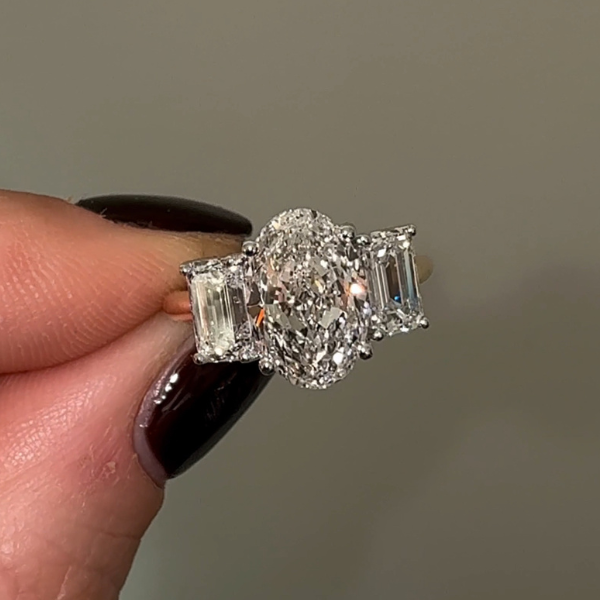
- Oval (1.00ct): Measures about 7.7mm x 5.7mm—appears bigger due to its elongated shape.
- Emerald Cut (1.00ct): Measures around 7mm x 5mm, with a more subtle, elegant look.
Want a bigger-looking diamond without paying for extra carat weight? Choose an elongated shape like an oval, pear, or marquise—they maximize surface area and create the illusion of a larger stone.
How Carat Weight Affects Price 💰
Carat weight has a huge impact on price, and the biggest jumps happen at “magic sizes”—the carat weights people tend to gravitate toward, like 1.00ct, 1.50ct, and 2.00ct.
Because these are in high demand, prices increase dramatically at these benchmarks. But here’s a little insider tip: Buying just under a magic number (like 0.90ct instead of 1.00ct, or 1.45ct instead of 1.50ct) can save you money—without any noticeable difference in size.
Finding the Right Carat Weight for You
At the end of the day, the best carat weight comes down to personal preference, budget, and hand size (yes, really!).
Here’s what to consider:
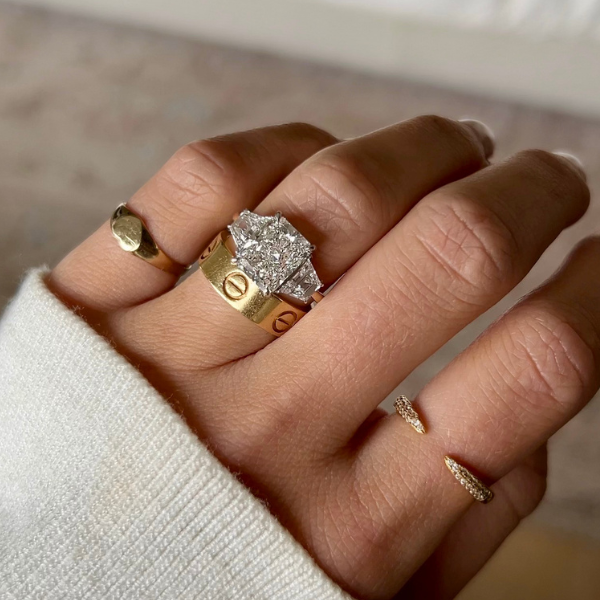
Finger Proportion – A 1.50ct diamond will look larger on a size 4 finger than on a size 8 finger.
Cut Quality – A smaller, well-cut diamond will outshine a bigger, poorly cut one every time.
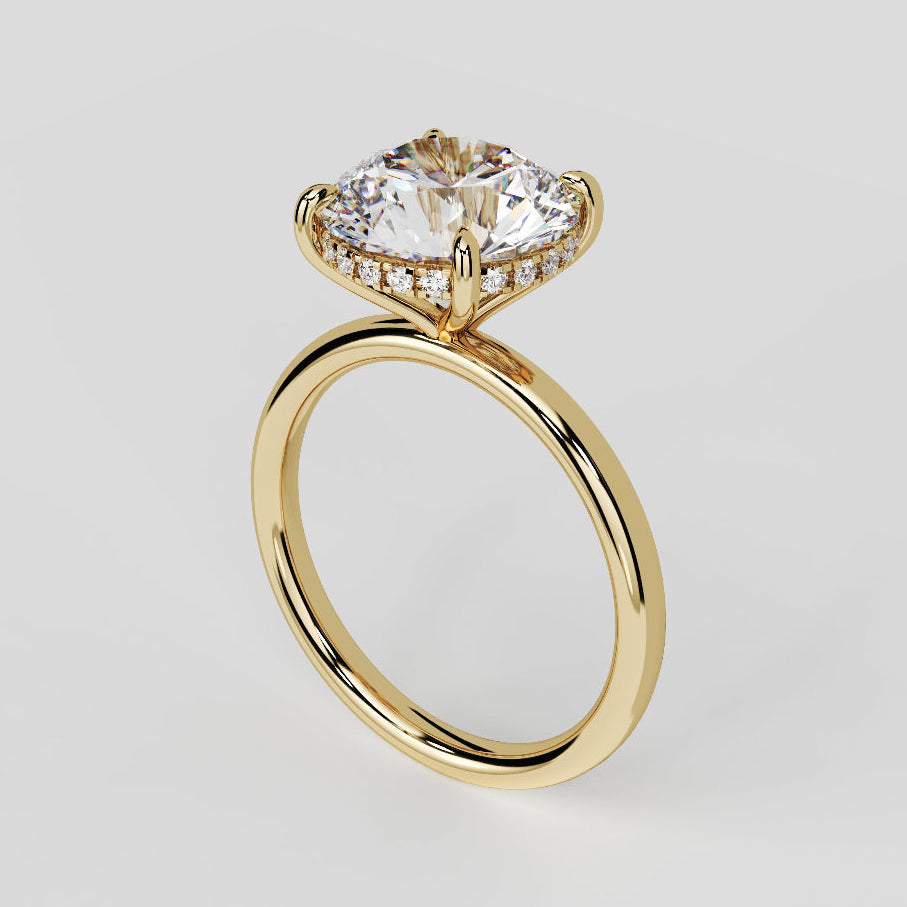
Setting Choice – A thin band or a halo setting can make your diamond appear larger.
Budget Priorities – If carat weight is your main focus, you may need to adjust clarity or color slightly to get the biggest diamond possible within your price range.
Final Thoughts: Does Size Matter?
Yes and no. A big diamond is beautiful, but a well-cut diamond is unforgettable. If you’re choosing between a larger carat weight with a lower cut grade or a slightly smaller, perfectly cut stone—always go for the better cut. A brilliantly cut diamond will look bigger, brighter, and more stunning than a dull, oversized one.
At SEV, we help you find the perfect balance of size, quality, and value—so you get the most breathtaking diamond without overpaying.